
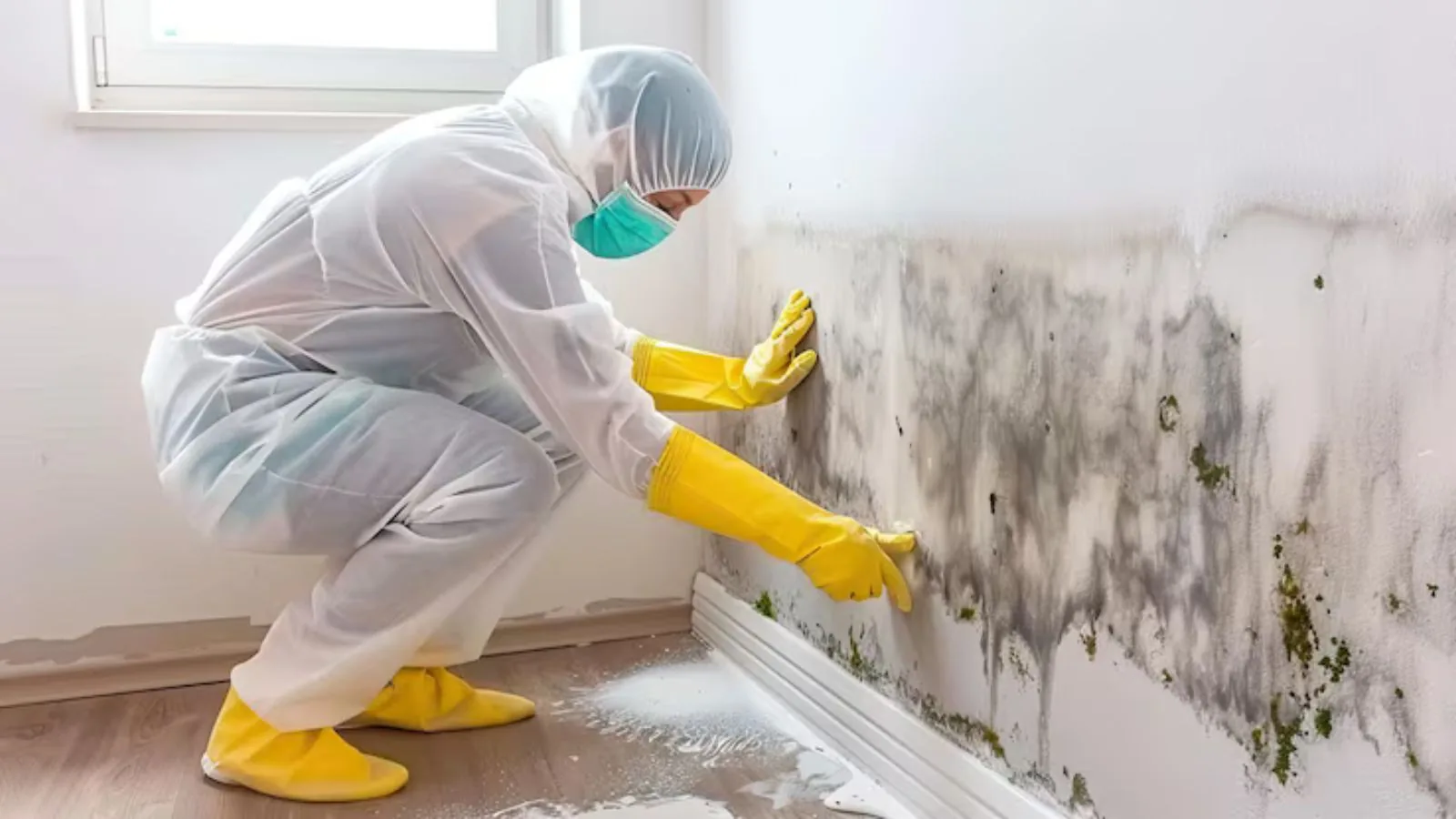
Mold coverage is one of the least predictable parts of a homeowners policy. Some policies pay for mold that follows a covered water loss, some cap the amount and some exclude it. The only way to know is to read your own policy and ask your insurer.
This guide explains the common patterns so you can ask better questions. We are not an insurer and this is not legal advice.
The main ruleCause drives coverage
Insurers usually ask what caused the mold. Mold that follows a sudden covered loss, such as a burst pipe, may be treated differently from mold that grew from long-term humidity, leaks or neglect.
Many policies exclude mold from wear, seepage and poor maintenance. Others cover it only up to a set limit, which can be modest compared with the full cost of remediation.
| Situation | Often treated as | What to check |
|---|---|---|
| Mold after a covered burst pipe | May be covered up to a limit | Limit and conditions |
| Mold from a long-term leak | Often excluded | Gradual leakage exclusion |
| Mold from flood water | Often excluded | Flood is a separate policy |
| Mold from high humidity | Often excluded | Maintenance exclusion |
Questions to ask your insurer
- Does my policy have a mold limit, and what is it?
- Does the limit cover testing, removal and rebuilding?
- Does my policy require specific steps or deadlines?
- Does my policy treat this cause as sudden or gradual?
- What documents do you need from me and from the contractor?
Why timing matters
Insurers often expect you to prevent further damage after a loss. The Environmental Protection Agency advises drying wet materials within 24 to 48 hours to help prevent growth, and a delay can give an insurer a reason to dispute mold costs.
That is one reason to start drying quickly while you contact your insurer. See our page on water extraction for how the first steps go.
RecordsDocumenting mold for a claim
Photos and video
Show the growth, the moisture source and the date.
Assessment report
In New York a licensed assessor writes the plan for covered jobs.
Moisture readings
Show where water went and how drying progressed.
Receipts
Keep records of emergency steps and testing.
Our page on mold remediation explains the New York licensing rules and the assessment steps that supply those documents.
Other situationsLandlords, renters and condos
Renters and condo owners have different policies. A renter's policy covers belongings, and the landlord's policy covers the building. A condo owner's policy covers interior finishes, and the association covers common elements.
If mold appears in a rental, tell the landlord in writing and keep copies. The responsibility for repair and for moisture control depends on the lease and the cause.
ReadingReading your policy
Look for the words mold, fungus, wet rot and seepage. Policies hide mold terms in exclusions and endorsements, and the limit may sit on a separate page.
If the wording is unclear, ask your agent to explain it in writing. A short email asking what the mold limit is can save a long argument later.
Before you hireWhat to do before work starts
Read the policy
Find the mold limit, exclusions and notice rules.
Call your insurer
Report the loss and ask what documents they want.
Document
Photograph the growth and keep the moisture source evidence.
Hire licensed pros
In New York use licensed assessors and remediators for covered jobs.
Keep records
Save reports, invoices and communications.
These steps protect your claim and your home. Skipping the call to your insurer is a common reason claims run into trouble later.
LimitsA note on limits and costs
A mold limit may be a fixed amount that covers testing, removal and rebuild together. If the job costs more than the limit, you pay the difference. Ask for written scope and price from each company so you can compare with your limit.
We explain scope and price before work starts, and we separate drying, removal and repair so you can see each part.
BuyersWhen mold is found after a purchase
New owners sometimes find mold in a basement or crawl space after closing. Policy coverage for a problem that began before you bought the house can be limited, and the inspection report and seller disclosures matter.
Keep your inspection report, and photograph the area before any work begins. Ask your insurer how it treats a condition that was present at purchase, and consult a real estate attorney if the seller did not disclose it.
AfterwardMold after a claim is paid
Settlement does not end the job. If you receive a payment for mold work, use it for licensed assessment, remediation and the moisture repair first. Skipping the moisture fix leaves the home open to the same loss again.
Keep the clearance report with your policy records. A later insurer, buyer or lender may ask to see it.
Mold and coastal storms on the South Shore
Roosevelt, Freeport and Oceanside sit on the South Shore of Nassau County, where flood and storm risk affect many insurance questions. The New York Department of Financial Services notes that a typical homeowners policy does not cover flood damage.
Mold that follows flood water is therefore often a flood policy question, not a homeowners one. If your address is in a mapped flood area on the FEMA Flood Map Service Center, ask your agent about both policies.
Do not assume coverage and do not assume denial. Many owners get answers only after they ask for the policy wording in writing.
Common Questions
Is mold covered by homeowners insurance?
It depends on the policy and the cause. Many policies limit or exclude it, and some cover it after a sudden covered loss.
Does flood insurance cover mold?
Policies differ. Ask the flood insurer how it treats mold that follows covered flood damage.
Will my insurer pay for mold testing?
Some policies include testing within a limit. Ask before you hire an assessor.
What if my insurer denies the claim?
Ask for the reason in writing and check your policy. The New York Department of Financial Services provides consumer guidance on claims.
Does drying quickly help with a mold claim in Roosevelt?
It helps prevent growth and shows that you took reasonable steps. Document each step.