
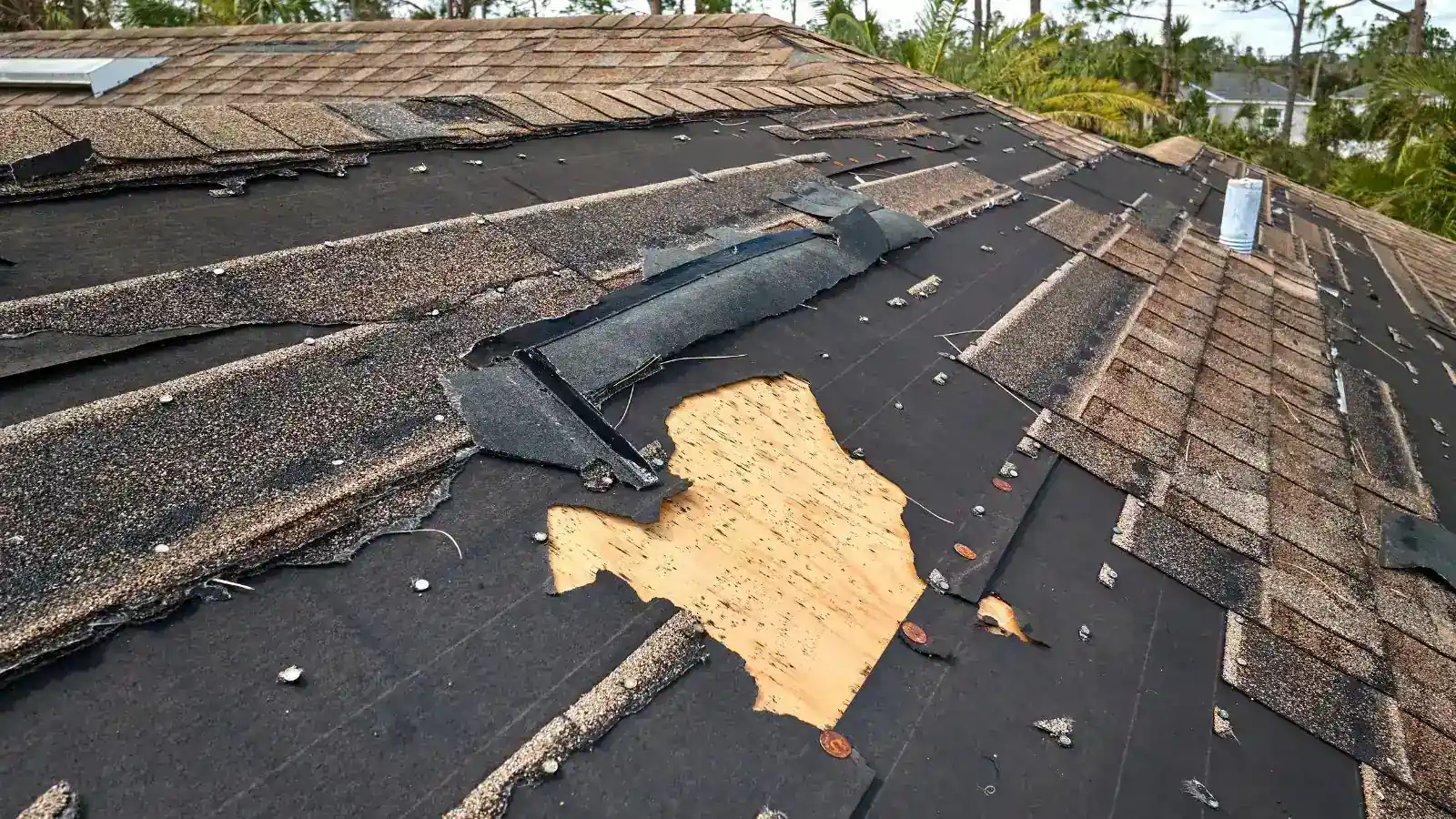
Storms bring water in from several directions. It can come through a damaged roof, around a window, under a door or up through a drain. If water is in your home after a storm, call the 24/7 line at (833) 521-1033 and keep clear of any wet electrical equipment.
Storm water damage cleanup is the removal of rain and surge water and the drying of the building afterward. The first question is where the water came from, because roof leaks and flood water are handled differently.
EmergencyStorm water in the house now
Storm calls tend to arrive together, so the line may be busy after a major event. Call early and say what you see. The dispatcher will take your details and explain safe steps while you wait.
Do not use a household vacuum on standing water and do not walk through water if the power is on in that area. Move to a dry floor if water is rising.
- Stay out of water that may touch outlets, panels or cords.
- Place buckets under active roof drips and move furniture away.
- Do not run fans or appliances in wet rooms until power is checked.
- Photograph the water line, the entry point and damaged items.
- Call your insurer and note the date and time of the storm.
Rain that enters through the roof is usually clean water at first. Water that rises from outside or from drains can be contaminated and is handled with stricter safety steps.
Storm water inside?
Call the 24/7 line. Tell us where the water came from and what is wet.
Where storm water comes from
Roof and flashing
Missing shingles or failed flashing let rain in at ceilings and attic floors.
Windows and doors
Wind driven rain gets past seals and soaks the walls and flooring.
Drains and sewers
Heavy rain can overload drains and push water up into basements.
Rising outside water
Surge and ponding enter at low doors and foundation openings.
The cleanup of a wet ceiling is covered under ceiling water damage repair, and large rising-water events under flood damage restoration.
ProcessThe cleanup process
- AssessThe source, the water type and the affected area are identified.
- ExtractStanding water is removed and soaked materials are lifted.
- DryEquipment dries the structure while moisture readings are logged.
- Check for growthDamp materials are checked for mold, with follow-up if needed.
- RepairFinishes are replaced where drying did not save them.
Storms on the South Shore
Roosevelt, Freeport and Oceanside sit on the South Shore of Nassau County, and heavy rain and tidal surge both play a part. Heavy rain hit Freeport on June 4, 2012, and the National Weather Service noted flooded streets and water rising from sewers and storm drains as far north as Sunrise Highway.
On October 29 and 30, 2012, Hurricane Sandy brought storm surge to Long Island's South Shore. Use these dates as context for what storms can do here, not as a forecast for your address.
InsuranceInsurance after a storm
The New York Department of Financial Services notes that a standard homeowners policy typically does not cover flood damage, while wind driven rain entering through a storm-damaged opening is often treated differently. Which one applies to your loss is a question for your insurer.
Take photographs of the water line and the entry point. They show the adjuster what happened. The FEMA Flood Map Service Center shows whether your address is in a mapped flood area.
Cost factorsWhat sets the cost
The cost depends on how much water entered, whether it was clean or contaminated, the materials affected, the drying days and the repair. Roof repair is a separate trade and is not included in the cleanup scope.
Want your real number for storm water? Call (833) 521-1033 and we will explain scope and price for storm water before work starts.
Common Questions
Do you handle storm water emergencies at night or on weekends in Roosevelt?
Yes. The phone line is open 24/7, and storms rarely follow business hours. Call and describe what you see.
After a major storm many homes need help at once. We do not promise an arrival time, and the dispatcher will explain what to do while you wait.
Is rain through the roof covered by insurance?
Often it is, when the roof was damaged by the storm. Flood water from outside is usually excluded from a standard policy. Ask your insurer.
Do you fix the roof?
No. We clean and dry the water damage. A roofer handles the repair of the opening.
What if the water came up through the basement floor or drains?
That may be flood or backup water and is treated with more care. Tell the dispatcher the source. See our basement water damage cleanup page.
How soon should wet materials be dried?
The EPA recommends drying wet materials within 24 to 48 hours so that mold does not start. Call as soon as you can.