
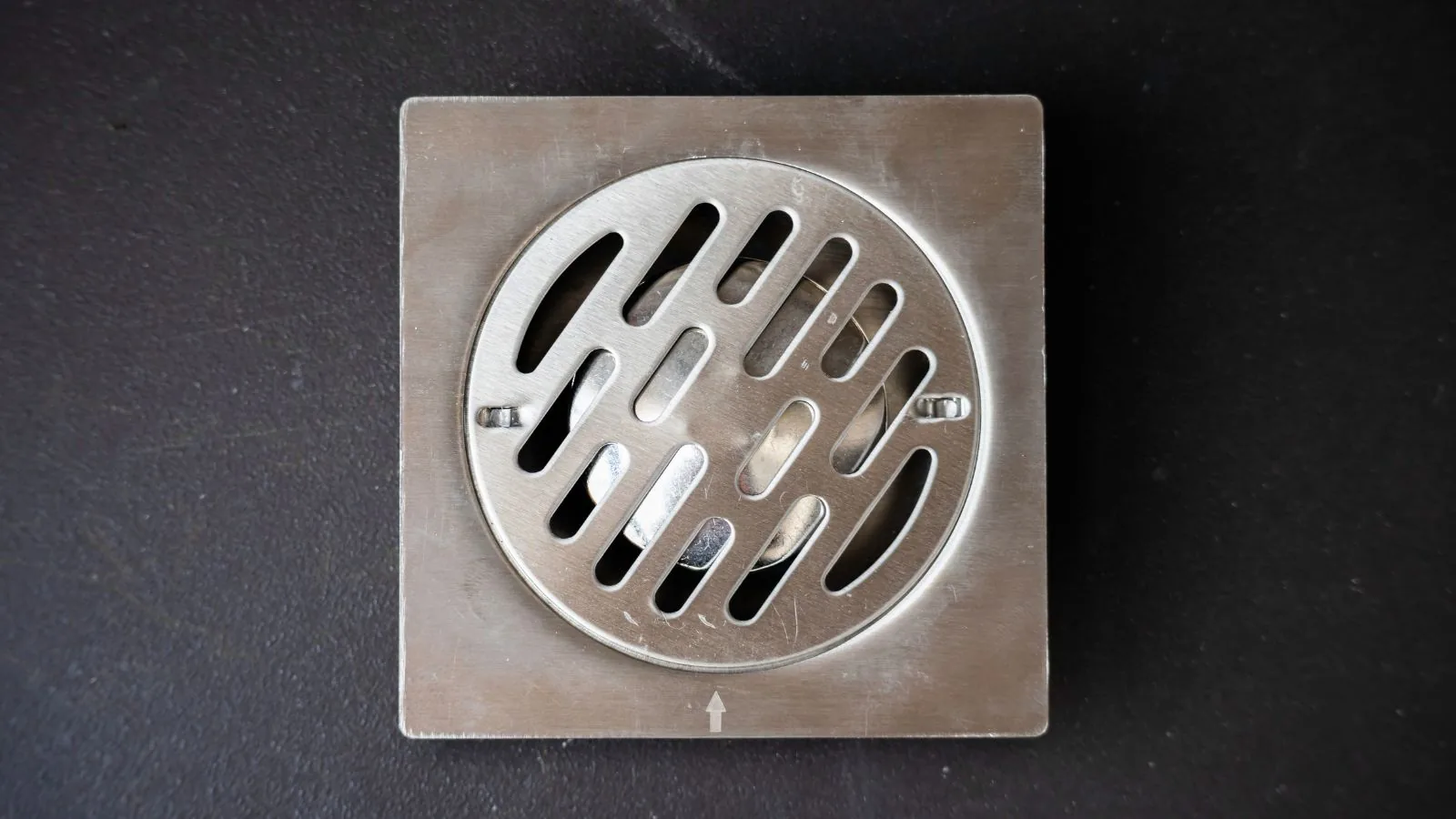
Water coming up from a drain, toilet or floor drain?
Raw sewage in a basement drain, a toilet that overflows with dark water or a floor drain that bubbles up are all signs of a backup. People search for these in many ways, from sewer backup to sewage in the basement. The technical name for the water is Category 3, which means it is grossly contaminated.
Sewage backup cleanup is the removal, disinfection and drying of a building after contaminated water enters from a drain or sewer line. It follows a stricter process than a leak because contact with the water is a health risk.
If sewage is coming up right now, keep people and pets out of the area, do not run water or flush, and call the 24/7 line at (833) 521-1033. Do not use household fans or a shop vacuum on contaminated water.
EmergencySewage backup: what to do first
- Stay out of the water and keep children and pets away from it.
- Stop using toilets, sinks, showers and the washing machine so you do not add water to the backup.
- Do not touch wet electrical equipment, and call the utility or 911 for any electrical hazard.
- Wear boots and gloves if you must pass through, then wash thoroughly.
- Photograph the water and the drain before anything is moved.
Do not clean sewage with a household wet vacuum or fans. Equipment can spread contaminated droplets and cannot be safely reused. A trained crew uses protective clothing and containment.
Why Category 3 water is different
Under the ANSI/IICRC S500 standard, water from sewage or rising groundwater is Category 3. It can carry bacteria and other contaminants, so porous materials that touched it are generally removed instead of cleaned.
Carpet, padding, insulation and soft drywall go. Hard surfaces such as concrete, tile and framing are cleaned and sanitized and then dried.
Sewage in the house?
Stay out of the area and call. The 24/7 line will explain what to protect and what to leave alone.
How the cleanup runs
Contain
The affected area is isolated so contamination does not spread.
Extract
Contaminated water is pumped out with protective steps in place.
Remove
Porous materials that touched the water are cut out and bagged.
Sanitize
Hard surfaces are cleaned and treated with suitable products.
Dry
Air movers and dehumidifiers dry the structure, then repair begins.
Drying follows cleaning here. The moisture and equipment side is explained under structural drying and dehumidification.
CompareBackup or flood?
| Source | Category | Page |
|---|---|---|
| Sewer line or drain backup | 3 | This page |
| Rising groundwater or tidal flooding | 2 or 3 | Flood damage cleanup |
| Clean supply line break | 1 | Burst pipe water damage |
Insurance and responsibility
The New York State Department of Financial Services says a homeowners or renters policy may cover water backup and sewage damage by endorsement, and that such coverage typically excludes backups caused by flood. Whether you have that endorsement depends on your policy.
Ask your insurer, document the damage before cleanup and save receipts. If the backup came from the municipal line, your local utility may need a report, so ask the sewer authority that serves your address.
LocalSewage backups around Roosevelt
On jobs involving a sewage backup, crews serve Roosevelt and the neighboring towns of Freeport and Oceanside. The National Weather Service logged the June 4, 2012 storm in Freeport, where water came up through sewers and storm drains as far north as Sunrise Highway. It shows that heavy rain and high tides can overload drains in this part of Nassau County.
A backup that follows heavy rain is a different cause from a blockage in your own line. Tell the dispatcher what happened so the response matches.
Cost factorsWhat sets the cost
The cost depends on how much water entered, the area affected, how much material must be removed, the sanitizing required, the drying days and the rebuild. Contaminated water costs more to handle than clean water because of the added safety steps.
Want your real number for a sewage backup? Call (833) 521-1033 and we will explain scope and price for a sewage backup before work starts.
Common Questions
Do you handle sewage backup emergencies at night or on weekends in Roosevelt?
Yes. The line is open 24/7, and sewage backups often happen after storms or overnight. Stay out of the water and call.
We do not promise an arrival window. The dispatcher will explain what to protect and what to leave alone.
Can I clean up sewage myself?
Small spills on hard surfaces can be cleaned with care, but sewage in a basement or on carpet needs trained crews. Contamination is a health risk, and household equipment is not made for it.
What gets thrown away after a sewage backup?
Carpet, padding, insulation and soft drywall that touched the water are generally removed. Hard surfaces and framing are cleaned and dried.
Is a sewer backup covered by homeowners insurance?
Coverage may exist by endorsement and usually excludes backups caused by flood. Check your policy and ask your insurer.
How do I know if the sewer line or my pipe is the problem?
A plumber can inspect the line. Backups in several drains at once often point to the main line.