
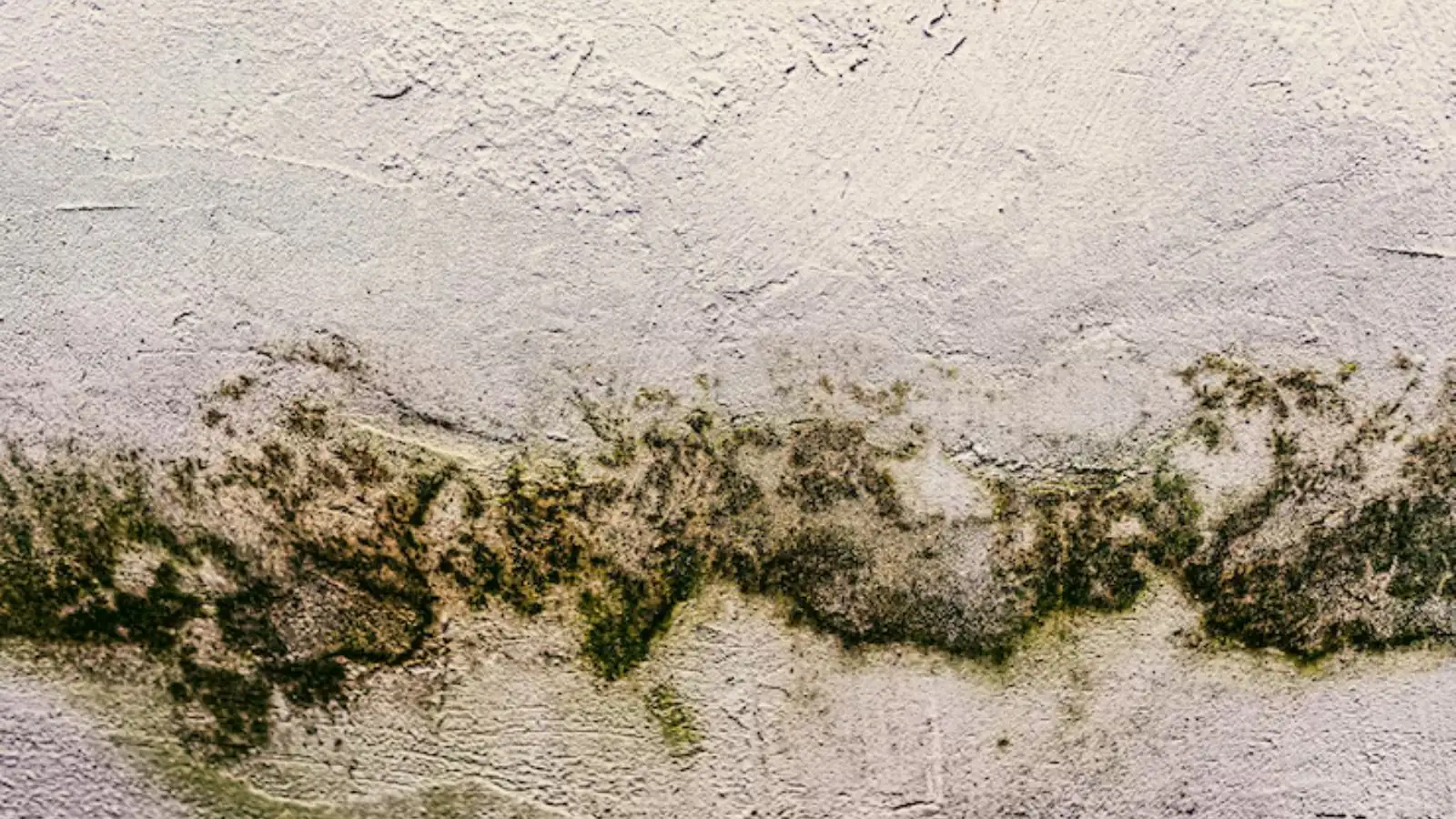
Musty smell, dark spots or growth on the wall?
Mold usually follows water. A leak that was never fully dried, a flood that sat or a damp basement can all lead to dark spots on walls, a musty smell or fuzzy growth on drywall and carpet. People often search for black mold removal, mold in the basement or how to get rid of mold after a leak.
Mold remediation is the containment, removal and cleaning of mold-affected material, along with fixing the moisture that fed it. It follows a plan, and in New York the rules for who can do the work are specific.
If you see growth, do not scrub or spray it. Disturbing mold can spread spores. Call the 24/7 line at (833) 521-1033 and we will explain next steps.
LicensingNew York rules for mold work
New York Labor Law Article 32 requires a license from the New York State Department of Labor for mold assessment and mold remediation work on residential and commercial properties above a minimum size. Only a licensed professional can do the work in covered cases.
The state rule also separates roles. The same company cannot both assess and remediate the same project. A licensed assessor writes the plan, and a licensed remediator carries it out. The work follows the state standard, known as S520.
Ask any mold company for its licence and confirm it with the NYS Department of Labor before work starts. If a company refuses to show one, find another.
Think you have mold?
Call the 24/7 line. We will explain how an assessment and a remediation plan work.
What an assessment and plan include
Assess
A licensed assessor finds the extent of growth and the moisture source and writes a plan.
Fix the moisture
The leak or humidity problem is repaired, or growth returns.
Contain
The work area is sealed with plastic and negative air to keep spores in.
Remove and clean
Affected porous materials are removed, and surfaces are cleaned and dried.
Verify
Clearance testing confirms the area is ready to be rebuilt.
Drying is part of every plan. See structural drying and dehumidification for how moisture is brought back to normal.
ClearanceClearance testing after remediation
Clearance testing is done after the work to confirm the area passes. A licensed assessor takes samples and compares the work area to a reference. A pass means the project met the criteria in its plan.
Clearance is useful if you plan to sell the home or a lender asks for documents. We make no promise about how a buyer or lender will react, because those decisions are theirs.
BasicsMold, mildew and what to do
| Situation | Likely next step | Related page |
|---|---|---|
| Small surface spot on a hard surface | Clean with care and fix the moisture | Basics only |
| Growth on drywall or carpet | Assessment and plan | This page |
| Recent flood or leak, not yet dry | Dry fast to prevent growth | Water extraction |
| Wall is wet with no visible mold | Moisture check | Wall drywall water damage repair |
Mold in Roosevelt, Freeport and Oceanside
On jobs involving mold work, crews serve Roosevelt and the neighboring towns of Freeport and Oceanside. Humidity and coastal storms matter on the South Shore, and houses that took water in a past storm sometimes still hold damp materials.
If you are unsure of the moisture source, a plumber or a building professional can help. Fixing the source comes before cleaning.
InsuranceInsurance notes
Policies differ widely on mold, and many put a cap on it. Ask your insurer before work starts what it covers and what documents it wants.
Take photos of the growth and the moisture source and save any inspection or test reports.
CausesMoisture sources that feed growth
Mold needs moisture to grow. The usual sources are a leak that was never dried, a flood, a damp basement, a roof leak or a poorly vented bathroom. Removing the growth without removing the moisture leads to regrowth.
That is why remediation plans always include a step to find and fix the water source. Ask your assessor to note the source in the plan so the repair is tracked.
- Look for stains on ceilings and wall bases.
- Check under sinks and around tubs and appliances.
- Watch for window condensation that runs onto sills.
- Note any smell that returns after cleaning.
What sets the cost
The cost depends on the area, the materials involved, the containment needed, the drying days and the rebuild. Assessment and clearance testing are separate steps from the removal itself.
Want your real number for mold work? Call (833) 521-1033 and we will explain scope and price for mold work before work starts.
Common Questions
Do I need a licence to do mold remediation in New York?
Companies that assess or remediate mold above the state's threshold need a licence from the NYS Department of Labor. Ask for it and check it.
Can the same company test and remove the mold?
Not on one project, under New York rules. Assessment and remediation must be done by separate licensed companies.
Can I clean small mold myself?
Small surface spots on hard materials can be cleaned with care. Growth on drywall, carpet or larger areas should be assessed.
Will clearance testing help me sell my house?
It documents that the work met its plan. We make no promise about how a buyer or lender will respond.
Is mold dangerous to my family?
We do not give medical advice. If you or someone in your home has health concerns, talk to a doctor.