
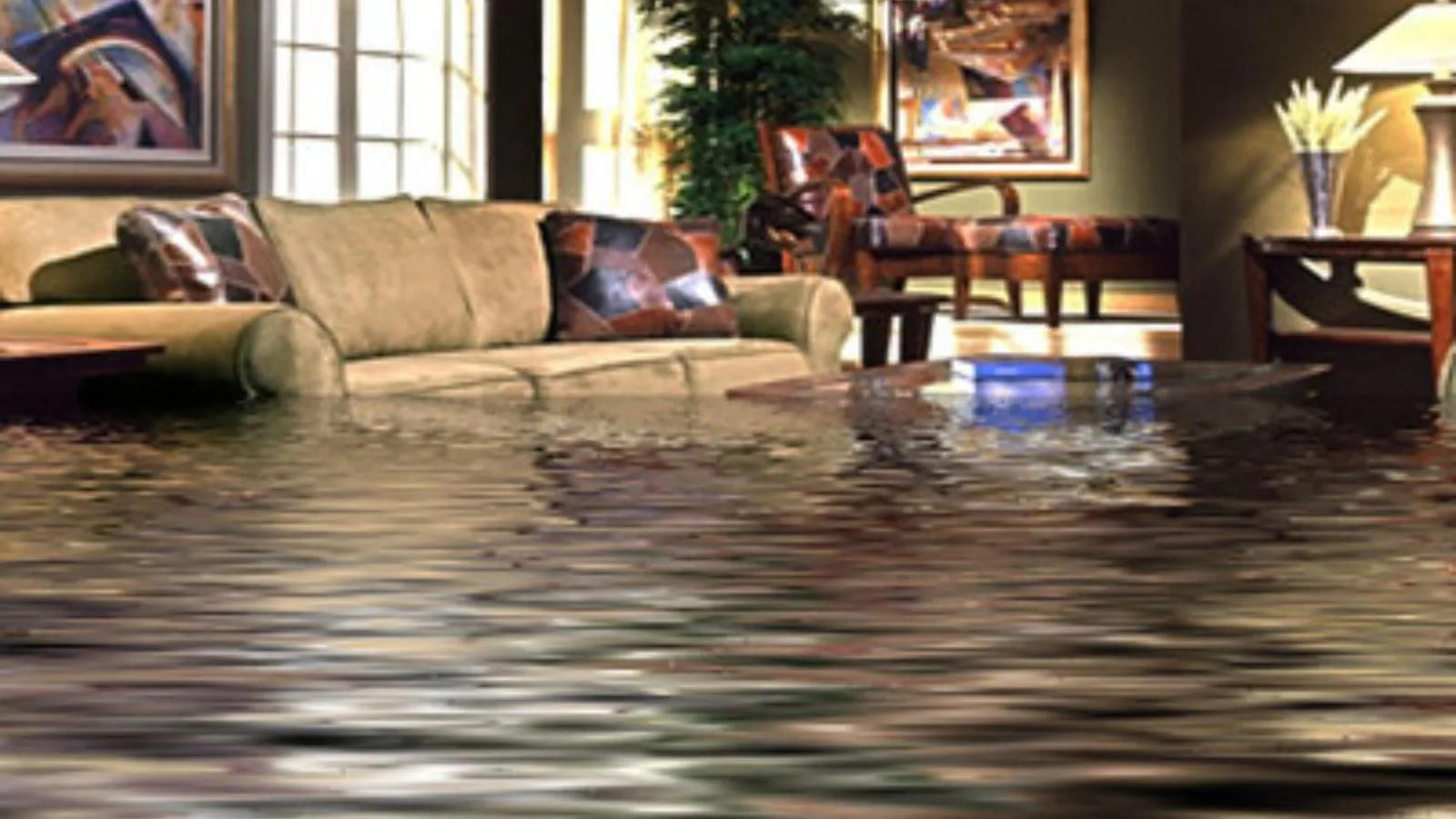
Water damage is the most common reason people call their insurer, and also the most confusing. The answer to whether your policy pays almost always depends on one thing: where the water came from and how fast it arrived. This guide explains the usual rules in plain terms. Your own policy and your insurer have the final say.
We are a restoration company, not an insurer, and nothing here is legal advice. We write it because many callers ask us what to expect, and a few simple facts save a lot of trouble.
The basicsThe sudden and accidental rule
Most homeowners policies cover water damage that is sudden and accidental. A supply line bursts, a water heater tank fails or a dishwasher hose splits. The damage that follows, such as wet floors and soaked drywall, is often covered, subject to your deductible.
The same policies usually exclude damage from gradual leakage, wear, neglect and long-term seepage. A pipe that has dripped for months inside a wall is a different claim from one that burst last night, even though both leave wet drywall.
| Source | Often covered? | What to check |
|---|---|---|
| Sudden pipe burst | Often yes | Deductible, cause of failure |
| Water heater tank failure | Often yes for resulting damage | Replacement of the tank itself may differ |
| Slow leak over weeks or months | Often no | Whether it was sudden or gradual |
| Flood from outside | Usually excluded | Separate flood policy |
| Sewer or drain backup | Only with an endorsement | Water backup rider |
| Roof leak from storm damage | Often yes if the roof was damaged | Condition of the roof before the storm |
Flood and backup need separate cover
The New York State Department of Financial Services notes that a typical homeowners policy does not cover flood damage. Flood insurance is a separate policy, often through the National Flood Insurance Program or a private insurer. NFIP policies generally carry a waiting period before they take effect, so a policy bought during a storm warning may not help.
Sewer and drain backup is a separate item again. Many policies pay for it only if you added a water backup endorsement. If you are not sure you have one, ask your agent today, not after a loss.
Your dutiesWhat the insurer expects from you
- Report the loss promptly and ask what deadlines your policy sets.
- Take steps to prevent further damage, such as shutting off the water and starting drying.
- Photograph and video the damage before cleanup.
- Keep receipts for emergency work and any temporary housing.
- Keep damaged items until the adjuster has seen them, unless they are unsafe.
Most policies require you to protect the property after a loss. That means mitigation is not optional, and an insurer may refuse to pay for damage that grew because drying was delayed. See our page on water extraction for what the first steps look like.
ProcessWorking with the adjuster
- ReportYou tell your insurer what happened and when.
- MitigateWater is removed and drying starts so damage does not grow.
- InspectAn adjuster looks at the damage and the source.
- ScopeA written scope lists the work and the pricing.
- RepairRepairs follow once the scope is agreed.
A restoration company can supply photos, moisture readings and a scope, but it does not decide what your insurer covers. If you disagree with a decision, ask for the reason in writing and check your policy wording.
TimelineA sample timeline of a claim
Knowing the order of events helps you stay ahead. On day one you stop the water, call the restoration crew and report the loss. In the first days the adjuster visits and drying runs. Over the next weeks the scope is agreed and repairs are scheduled.
Payments often come in stages. Emergency work may be paid first, and repairs follow the written scope. Ask your insurer how it handles payment and whether the check includes your mortgage company as a payee.
Insurance questions on the South Shore
Roosevelt, Freeport and Oceanside sit on the South Shore of Nassau County, where storms and flood risk are part of the picture. You can look up whether an address is in a mapped flood area on the FEMA Flood Map Service Center, and your insurer or lender can tell you what coverage applies.
Freeport took heavy rain on June 4, 2012, and the National Weather Service noted sewers and storm drains pushing water north as far as Sunrise Highway. Then Hurricane Sandy arrived on October 29 and 30, 2012. Both events show why many local owners ask about flood and backup cover.
Questions to ask your agent today
Is flood covered?
Ask if you have a separate flood policy and what it pays.
Is water backup covered?
Ask if a backup endorsement is on your policy and its limit.
What is my deductible?
Water claims often use a standard deductible, and some policies set a separate one for certain perils.
What counts as sudden?
Ask how your insurer treats a leak found after an unknown time.
If a pipe bursts, our page on burst pipe water damage explains what restoration involves and what documents to keep.
RecordsDocuments worth saving
A claim goes faster with a clear record. Photos of the damage and the source, the date and time you found the water, moisture readings from the restoration crew and receipts for every emergency step all help.
Keep a simple list of damaged belongings with approximate age and cost. Adjusters ask for it, and memory fades quickly after a stressful event.
Common Questions
Is a burst pipe covered by homeowners insurance?
Often yes for the sudden damage, subject to your deductible. The pipe repair itself may be treated differently. Check your policy.
Is a slow leak covered?
Many policies exclude gradual leakage and long-term seepage. A leak that you found quickly is more likely treated as sudden.
Does my policy cover flooding from a storm?
A typical homeowners policy does not. A separate flood policy covers it, so ask your agent.
Do I have to hire the company my insurer suggests?
Generally you may choose your own contractor, though policies and programs differ. Ask your insurer about its rules.
In Roosevelt, who should I call first, my insurer or a restoration company?
Call your insurer promptly and call a restoration company right away so drying can begin. Both calls matter, and drying should not wait for the adjuster.