
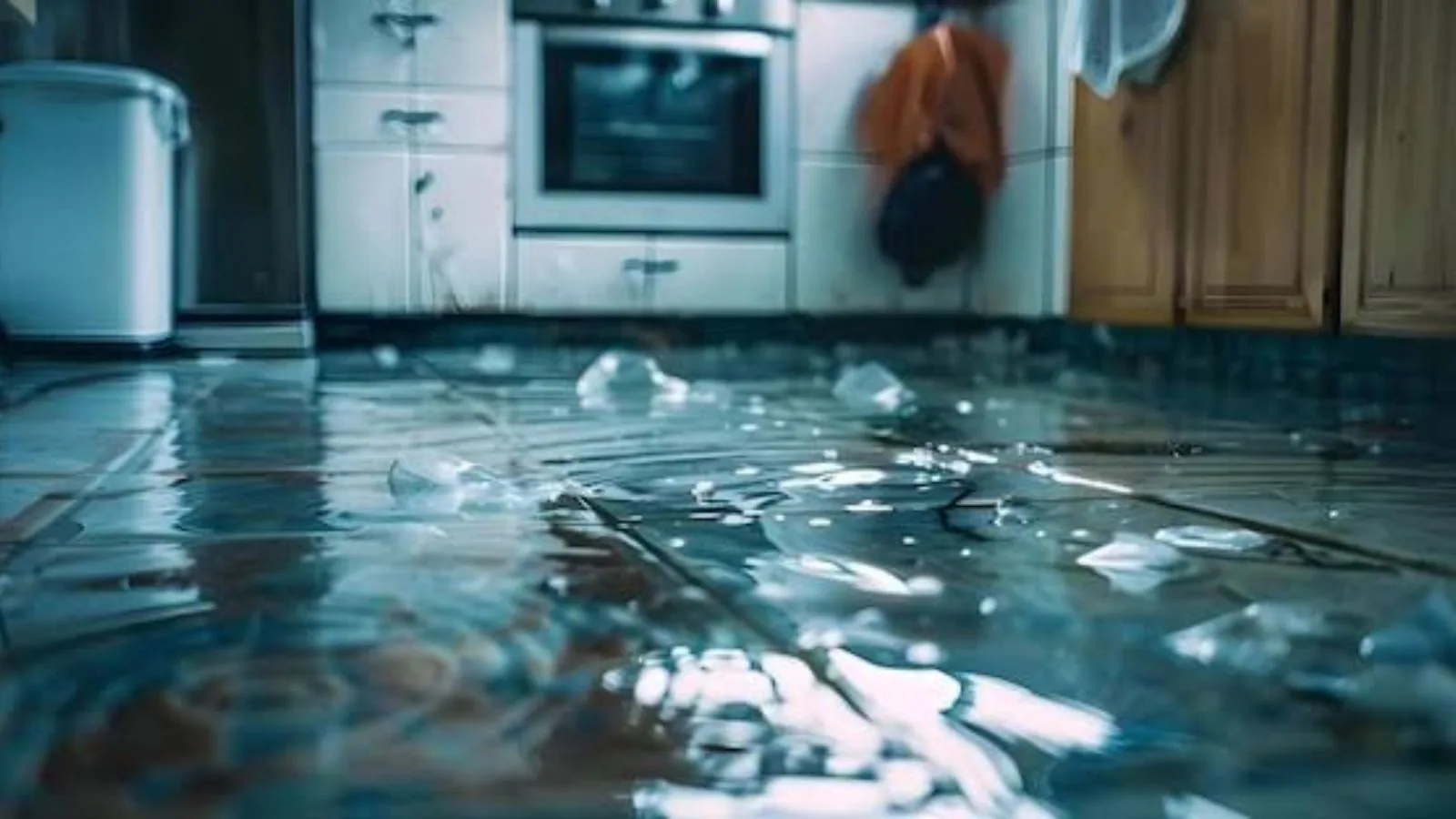
Many homeowners try to handle a small leak with towels, a fan and a dehumidifier. Sometimes that is enough. Often it is not, because the water you cannot see is the water that does the damage. This guide explains where the line falls.
We offer restoration, so we have an interest, and we will tell you plainly when a small job does not need a crew.
DIYWhen you can probably handle it yourself
- A small spill of clean water on a hard floor, wiped up right away.
- A minor leak under a sink caught within hours.
- A wet area on tile or vinyl with no soft spots.
- No water in walls, ceilings or under flooring.
- No sewage or outside water involved.
Even in these cases, dry the area fully and check it again the next day. A fan and open windows help when the weather allows.
CallWhen you should call
Water in walls or ceilings
Wet drywall and insulation hold moisture you cannot reach with a fan.
Soaked carpet or padding
Padding holds water and needs extraction.
Water for more than a day
Growth can begin and materials may soften.
Sewage or flood water
Category 3 water needs protective steps.
Large area or several rooms
More equipment and monitoring are needed.
See our page on carpet water damage restoration for what happens when padding is wet, and water extraction for standing water.
LimitsWhat home equipment cannot do
A household fan moves air, and a small dehumidifier removes some moisture. They do not measure how wet a wall is, and they cannot pull water out of a subfloor. Readings from a moisture meter are what tell you when something is dry.
Professional air movers and dehumidifiers are matched to the room size and moved as areas dry. The crew returns each day to read the meters.
| Task | Home | Professional |
|---|---|---|
| Standing water | Mop, wet vacuum for small amounts | Pumps and extractors |
| Airflow | Box fan | Air movers placed by room |
| Humidity | Small dehumidifier | LGR or desiccant units |
| Verification | Touch and smell | Moisture meters and thermal imaging |
The EPA's rule of thumb is to get wet materials dry in 24 to 48 hours so that mold does not take hold. If you cannot confirm a space is dry in that window, call.
DIY stepsA realistic DIY plan for a small spill
Stop the source
Shut off the valve or fix the cause.
Remove water
Mop and wet vacuum standing water.
Lift and prop
Raise furniture legs and pull rugs off wet floors.
Run a dehumidifier
Close the room and run the unit with a fan.
Check after a day
Feel walls, baseboards and floors, and look for odors.
If anything still feels damp after a day or two, stop and call. A meter reading beats a guess, and early help costs less than late help.
TimingThe cost of waiting
Waiting changes the plan. Clean water that sits for a few days can turn into a gray water problem, and padding that could have been saved becomes trash. Drywall that could have dried in place needs cutting out.
The Environmental Protection Agency's 24 to 48 hour guidance is a reminder that the best time to dry is right away.
RisksWhat it costs to get it wrong
A DIY job that misses hidden moisture can lead to mold, soft floors and repeat repairs. That can cost far more than a proper drying job at the start.
Insurers may also question a claim if drying was delayed. Take photos of what you did and when, and keep receipts for any equipment you bought or rented.
EquipmentRenting equipment versus hiring a crew
Some stores rent air movers and dehumidifiers. Rented gear can work on a small, simple job if you know how to place it and how to check readings. Without a meter, you may stop too soon or run equipment for days that no longer help.
A crew brings meters, experience and a plan for the whole structure. That is the difference between hoping a room is dry and knowing it.
HybridA middle path
You do not have to choose all or nothing. Many owners call us for a moisture check, take our advice on what they can handle and hire the crew only for the wet walls or subfloor. Tell the dispatcher what you have already done.
SafetySafety points for any DIY drying
- Never run extension cords through standing water.
- Turn off power to wet circuits before you work.
- Wear gloves and sturdy shoes around debris.
- Do not lift heavy wet items alone.
- Stop if you smell gas or see sparks, and call for help.
Wet floors are slippery and wet materials are heavy. A fall or a shock is a worse outcome than any water stain.
Humidity and drying near the coast
Roosevelt, Freeport and Oceanside are close to the water, and summer humidity slows drying. Open windows may bring in moist air rather than dry it, so a dehumidifier and closed room often work better.
Basements here often have high humidity after rain, and concrete holds moisture for a long time. If a basement stays damp after you dry it, our page on basement water damage cleanup explains what comes next.
What a DIY job often misses
- Wet insulation inside walls.
- Water under flooring and in the subfloor.
- Moisture behind baseboards.
- Wet padding below dry-looking carpet.
- A leak that is still active.
- Contamination on materials that were wet for days.
Common Questions
Can I dry my house with just fans?
For a small clean spill, maybe. Fans do not reach water inside walls or subfloors, so verify with a meter.
How long should I run a dehumidifier?
Until moisture readings return to normal. A few days is common, but it depends on the materials.
Is it safe to wet-vac water myself?
For small amounts of clean water, usually yes. Do not use a household vacuum on sewage or near wet electrical equipment.
Will hiring a pro cost more than DIY?
Often it does at first, but missed moisture can cost more later in repairs and mold. We explain scope and price before work starts.
When should a Roosevelt homeowner call right away?
When water is in walls, ceilings or carpet padding, when it came from outside or a drain or when it has been wet more than a day.