
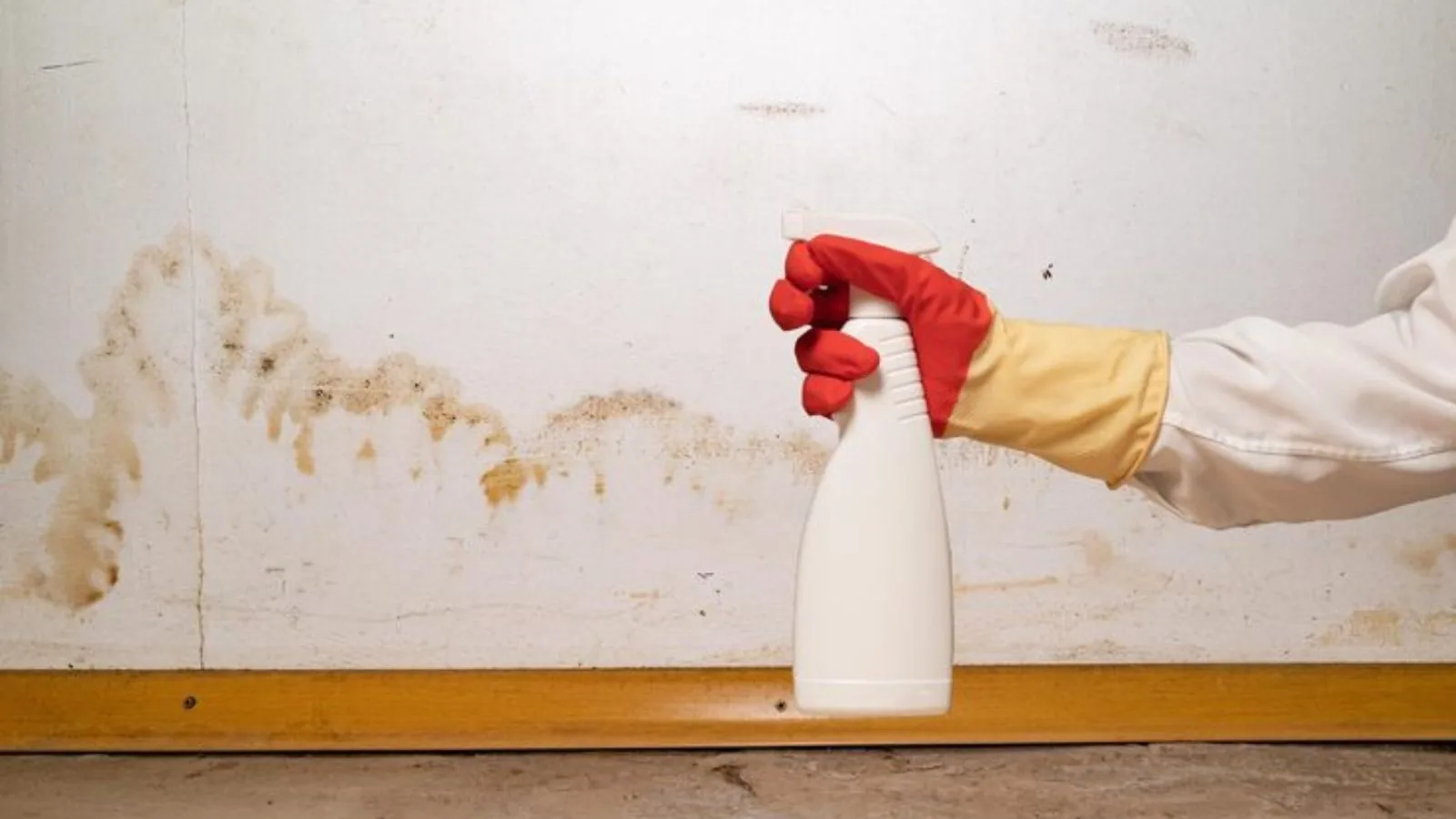
A mold problem during a home sale makes everyone nervous. Buyers ask questions, lenders ask for paperwork and the seller wants to know what proof is enough. Clearance testing is one answer, and it is worth understanding before you list.
This guide explains the term, the process and the limits. We make no promise about how any buyer or lender will respond, because those decisions belong to them.
DefinitionWhat clearance testing is
Clearance testing is an assessment done after mold remediation to check that the work area meets the standard set in the remediation plan. A licensed mold assessor inspects the area and may take air or surface samples. The results are compared with a reference, often an outdoor sample or an unaffected room.
A passing result means the project met its plan. It is a record that the work was done and checked, and it does not protect against future moisture.
RolesWho can do it
New York Labor Law Article 32 sets licensing for mold assessment and remediation. The same company cannot assess and remediate the same project. That means the person who tests after the work is not the person who did the work.
Ask any assessor for a licence and check it with the New York State Department of Labor.
Assessor
Writes the plan before work and performs clearance after.
Remediator
Carries out the plan under containment.
Seller
Pays for the work and keeps the paperwork.
Buyer and lender
Decide what documentation they want.
The process from plan to clearance
- AssessmentA licensed assessor finds the growth and the moisture source.
- PlanA written plan lists the work, containment and clearance criteria.
- RemediationA licensed remediator removes growth and dries the area.
- ClearanceThe assessor inspects and samples to confirm the result.
- ReportA written report documents the outcome.
Drying and repair after clearance follow the plan. If the cause was water, our page on mold remediation explains how the work is done.
SellingClearance and a home sale
Buyers and lenders may ask for the assessment, the plan and the clearance report. Having them ready can shorten the conversation. Disclosure rules also apply to sellers, and a real estate attorney can explain what applies to you.
We cannot say whether a buyer will accept a given report or whether a loan will close. Treat paperwork as supporting evidence rather than a promise.
| Document | Source | Why it helps |
|---|---|---|
| Assessment report | Licensed assessor | Shows what was found |
| Remediation plan | Licensed assessor | Shows what was to be done |
| Clearance report | Licensed assessor | Shows the result |
| Repair receipts | Contractors | Show the moisture source was fixed |
How long the paperwork takes
The timeline depends on the size of the job. Assessment and the plan come first, remediation follows and clearance happens after the area is dry. Lab results add a few days.
Plan ahead if you are listing soon. Starting the process after you receive an offer can slow a closing. Ask your assessor for a realistic schedule.
LimitsWhat clearance does not cover
Clearance describes one area at one time. It does not cover rooms that were not tested, and it does not predict future leaks. If a new leak happens, new moisture can start growth again.
That is why fixing the moisture source matters more than any test. Keep plumbing and roof repair receipts with the clearance report.
Buyer questionsWhat a buyer might ask
A buyer or their inspector may ask where the mold was, what caused it, who removed it and whether the cause was fixed. Having the assessment, the plan, the clearance report and the repair receipts ready answers those questions in one folder.
Honest answers build trust. Hiding a past problem tends to cause bigger trouble later.
- Where was the growth and how large was the area?
- What caused the moisture and how was it fixed?
- Who assessed and who remediated?
- When was clearance done and what were the results?
- Has there been any new water since?
Cost and planning
Costs for assessment, remediation and clearance are separate line items. Ask each licensed company for a written scope and a price before work starts. We explain scope and price before our own work begins, and we will tell you if a step belongs to another trade.
Build the timeline into your listing plan so the paperwork is ready before showings.
HiringChoosing an assessor
Ask for the licence number and check it with the New York State Department of Labor. Ask how clearance criteria will be set, what samples will be taken and how long the report will take.
Choose an assessor who has no financial interest in the removal work. That separation is the reason the state rule exists, and it keeps the test honest.
Selling a Roosevelt-area home
Roosevelt sits in the Town of Hempstead, and neighboring Freeport and Oceanside have active resale markets. Buyers in storm-prone coastal areas often ask about past water events, so a clean record of repairs and testing is useful.
You can check whether an address is in a mapped flood area on the FEMA Flood Map Service Center. A buyer may check the same map, so it helps to know the answer before listing.
Mistakes to avoid
- Do not skip fixing the moisture source before clearance.
- Do not hire the same company to test and remove.
- Do not hide a past problem, because disclosure rules apply.
- Do not assume one passing test covers future leaks.
- Keep every report, receipt and photo in one folder.
If a wall or ceiling is still damp, dry it first. Our page on structural drying and dehumidification shows how moisture is verified.
Common Questions
What does mold clearance testing prove?
It shows that the work area met the criteria in the remediation plan at the time of testing.
Can the company that removed the mold also test it?
Not on the same project under New York rules. A separate licensed assessor performs clearance.
Will a passing clearance help me sell?
It can give buyers and lenders a document to review. We cannot promise how they will respond.
How long does clearance take?
Inspection and sampling can take a short visit, and lab results take additional time. Ask your assessor about timing.
What should a Roosevelt seller do first?
Fix the moisture source, hire separate licensed professionals and keep every report.