
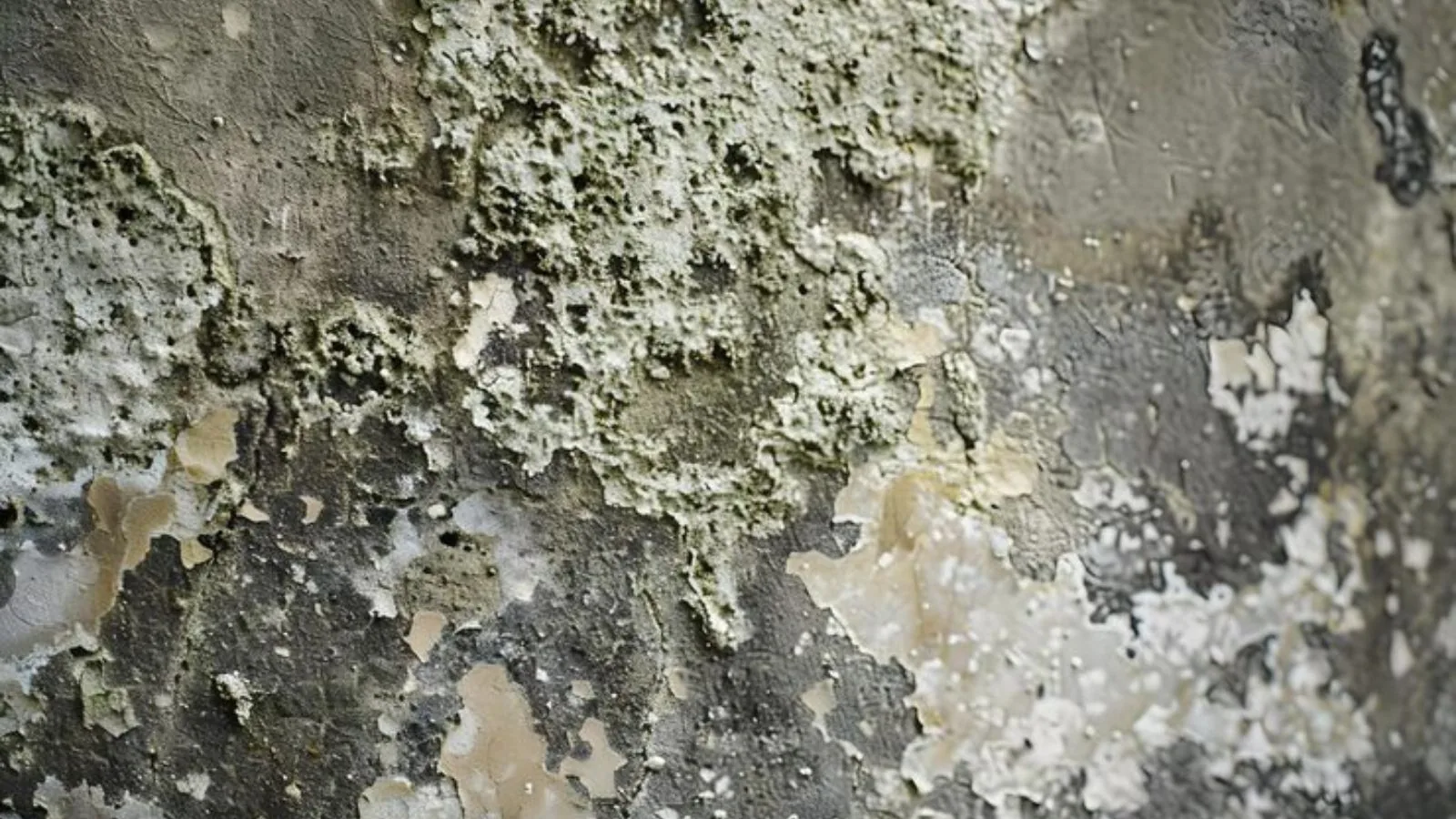
Mold needs three things: moisture, a food source and time. Water damage supplies the first, drywall, wood and carpet supply the second, and delay supplies the third. That is why mold often follows a leak that was never fully dried.
This guide explains how growth starts, what to watch for and what to do about it. We do not give medical advice, and if you have health concerns you should talk to a doctor.
TimelineHow fast does mold start?
EPA guidance on moisture and mold puts the target for drying wet materials at 24 to 48 hours. After that window, wet drywall, carpet and insulation can begin to support growth, especially in warm or humid rooms.
That does not mean mold appears on day two. It means the odds rise the longer materials stay wet.
Hidden growthWhere it hides
Behind baseboards
Water wicks up the wall and growth begins behind the trim.
Under carpet and padding
A damp pad can hold moisture for weeks.
Inside wall cavities
Insulation and the back of drywall stay wet while the surface looks dry.
In basements and crawl spaces
Humidity stays high and air barely moves.
Our page on structural drying and dehumidification explains how moisture is found and removed before growth can start.
SignsSigns of growth
- A musty smell that returns after cleaning.
- Dark, green or white spots on walls, ceilings or carpet backing.
- Paint that peels or bubbles near a past leak.
- Stains that spread or reappear.
- Condensation that runs down windows and onto sills.
What to do if you find mold
Do not disturb it
Scrubbing or spraying can spread spores.
Stop the moisture
Find the leak or humidity source and fix it.
Get an assessment
For covered jobs in New York, a licensed assessor writes the plan.
Remove and verify
A licensed remediator removes growth, and clearance testing confirms the result.
The details of the process are on our mold remediation page.
RulesNew York licensing in plain terms
New York Labor Law Article 32 requires a license from the New York State Department of Labor for mold assessment and mold remediation work on properties above a minimum size. The rules also separate the two roles. A company cannot assess and remediate the same project, which prevents a conflict of interest.
Ask for a licence and check it with the Department of Labor. Small areas below the threshold have different rules, and a professional can tell you which applies.
PreventionPreventing growth after a leak
Prevention is mostly speed. Remove the water, take out wet material that cannot dry and run air movers and dehumidifiers until readings are normal. A fan and an open window help only for small, recent spills.
Check the space again a week later. A musty smell, a stain that returns or a spot that feels cool and damp means moisture remains.
- Dry wet areas within 24 to 48 hours when possible.
- Run a dehumidifier in closed rooms.
- Replace wet insulation and padding.
- Check baseboards and wall bases a week after the leak.
- Keep indoor humidity below about 50 percent.
Mold and your home sale or rental
Mold can come up during a sale or a rental dispute. If it does, keep every report, photo and receipt, and do not paint over growth. Our guide on clearance testing explains how documentation works after remediation.
Disclosure rules differ by situation, so a real estate attorney is the right person to ask.
VariablesWhy the same leak can cause different results
Two homes with the same burst pipe can end up very differently. A home with fast extraction, dry weather and good airflow may never see growth, while one that sat wet in a warm closed room can show spots within days.
The variables are time, temperature, humidity and the materials involved. Paper-faced drywall and carpet padding feed growth more readily than concrete or tile.
| Material | Growth risk | Typical action |
|---|---|---|
| Drywall paper | Higher | Dry quickly or replace |
| Carpet padding | Higher | Usually replaced |
| Solid wood framing | Moderate | Dry and monitor |
| Tile and concrete | Lower | Clean and dry |
When to bring in an expert
If you smell mold but see nothing, if the area is large or if the water was contaminated, bring in a licensed professional. If anyone in the home has health concerns, talk to a doctor.
Our crew can map moisture and arrange the right next step, and we lay out scope and price before any work begins.
Mold on the South Shore
Roosevelt, Freeport and Oceanside have humid summers, and coastal storms can leave materials damp for days. Homes that took water in past storms sometimes still hold moisture in basements, crawl spaces or behind finishes.
Groundwater lies close to the surface near the South Shore, and basements are a common place to look first. If a space feels damp after heavy rain, treat that as a warning to check, not to ignore.
Insurance and documentation
Coverage for mold differs widely between policies, and many cap it. Ask your insurer what it covers before work starts. Take photos of the growth and the moisture source and keep any inspection or test report.
If the mold follows a covered water loss, tell your insurer promptly. Delay in drying is a common reason for disputes.
Common Questions
How soon after water damage does mold grow?
It can begin after 24 to 48 hours of continued wetness. Fast drying lowers the risk.
Is black mold always dangerous?
We do not give health advice. Any significant growth should be assessed and handled by licensed professionals.
Can I clean mold with bleach?
Bleach is not a complete answer, and it does not fix the moisture. Small surface spots can be cleaned, and larger growth should be assessed.
Do I need a licensed company in New York?
For covered jobs, yes. Mold assessment and remediation above a set size require a New York State Department of Labor licence.
Is mold common in basements near Roosevelt?
It can be, especially where water collects after heavy rain. Check basements and crawl spaces after storms.