
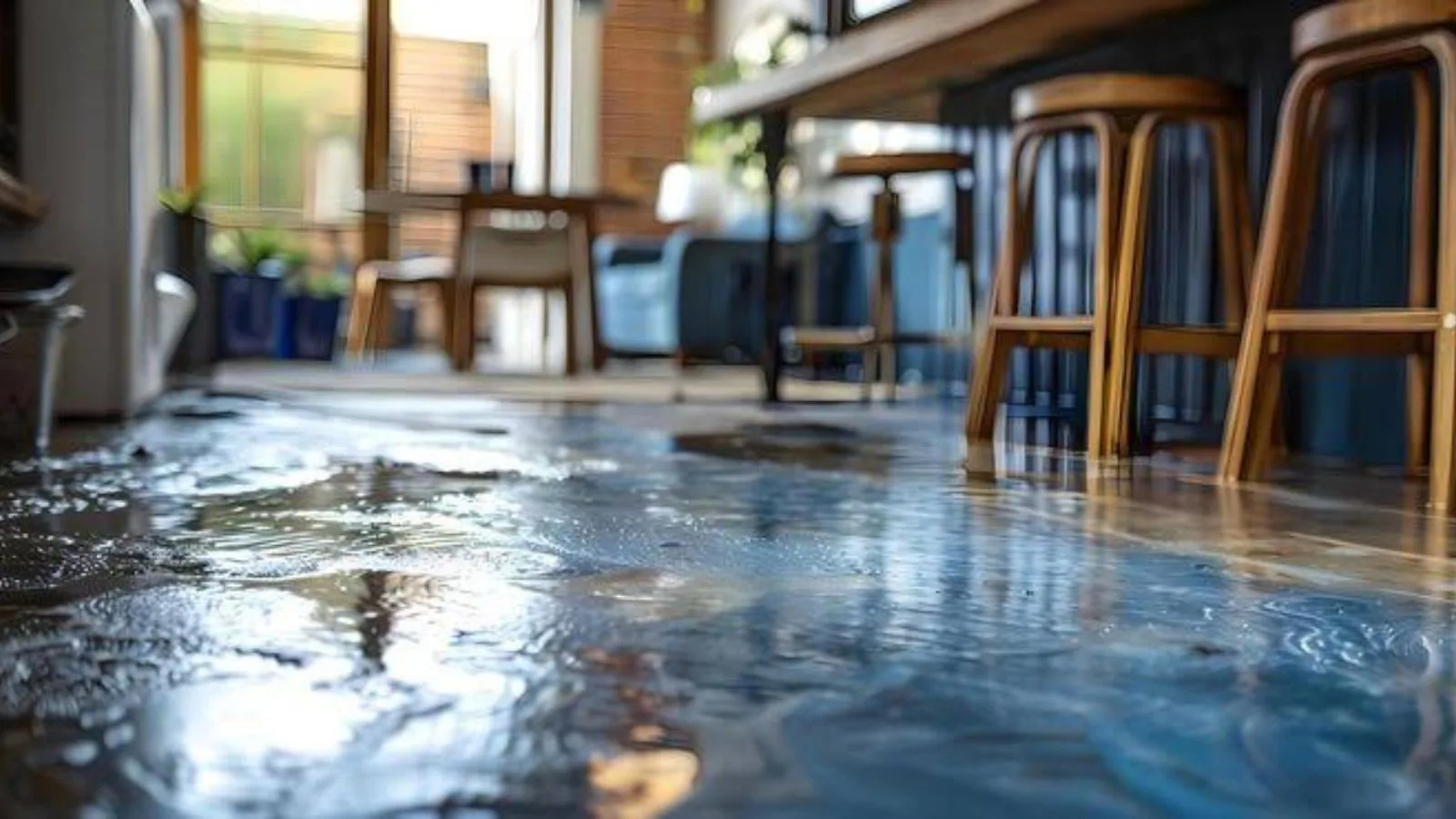
A leak while you are home is a nuisance. A leak while you are away for two weeks can ruin a house. Water runs for days, wets every floor below and feeds mold long before anyone notices. A short checklist before you leave greatly lowers the risk.
This guide covers what to do before a trip, what to ask a neighbor to check and what to do if you come home to water.
ChecklistBefore you leave: the essentials
- Shut off the main water valve if you will be gone more than a few days.
- Turn off the water heater or set it to vacation mode.
- Check under sinks and behind the washing machine for drips.
- Look at supply hoses on the washer, dishwasher and fridge.
- Clear gutters and downspouts so rain moves away from the house.
- Test the sump pump if you have one.
- Leave the heat on in cold months.
Shutting the main valve is the single most effective step. It stops the supply to every pipe in the house, so a burst line cannot run while you are gone.
WinterWinter trips and frozen pipes
Frozen pipes are a leading cause of leaks when owners travel in cold weather. Water expands as it freezes, and a split pipe releases water when it thaws. Leaving the thermostat at a steady temperature, commonly around 55 degrees Fahrenheit or higher, helps keep pipes above freezing.
Open cabinet doors under sinks on exterior walls so warm air reaches the pipes. Drain and shut off outdoor hose bibs. Our page on frozen pipe water damage explains what happens if a pipe splits.
TechnologyConsider leak sensors and automatic shutoffs
Leak sensors
Small devices that sound an alarm or send a phone alert when they touch water.
Smart shutoff valves
Valves on the main line that close when a sensor detects a leak.
Water flow monitors
Devices that spot unusual flow and can warn you of a slow leak.
Washing machine pans
Trays under a washer or water heater that catch drips.
Place sensors near the water heater, under sinks, behind the toilet, by the washer and in the basement. Check batteries at the start of each season.
HelpAsk someone to check the house
If you are gone for a week or more, ask a neighbor or relative to look in once or twice. They should check the ceilings and floors for stains, listen for running water and check the thermostat.
Give them the phone number of a plumber and a restoration company, and tell them where the main valve is. A short note on the fridge helps.
| Trip | Minimum steps | Extra steps |
|---|---|---|
| A weekend | Check appliances and hoses | Leak sensors |
| One to two weeks | Shut off the main valve | Neighbor check, water heater off |
| A month or more | Shut off main, drain if freezing risk | Smart valve, scheduled visits |
Room-by-room check before you go
| Area | What to check | Why |
|---|---|---|
| Kitchen | Dishwasher hose, sink supply lines, fridge ice maker line | Hoses age and split |
| Bathrooms | Toilet supply line, tub and shower seals | Slow leaks soak floors below |
| Laundry | Washer hoses and the drain connection | Pressurized hoses can burst |
| Basement or utility | Water heater, sump pump, main valve | Failures here can flood a floor |
| Exterior | Hose bibs, gutters, downspouts | Rain and freezing cause damage |
Braided steel hoses last longer than rubber ones, and many owners replace washer hoses every few years. Look for bulges, rust at the fittings or dampness at the connection.
AppliancesWater heater and appliance habits
A water heater holds dozens of gallons, and a tank failure can release them quickly. If you will be gone for weeks, turn the heater off or to vacation mode and check the drain pan. Our page on water heater leak cleanup explains what a tank failure looks like.
Do not run the dishwasher or washing machine as you leave the house. Many hose failures happen while the machine is running, and no one is there to shut it off.
Other casesRental properties and second homes
If you own a second home or a rental, vacancy raises the risk because no one notices a drip. Schedule regular visits, ask tenants to report leaks quickly and consider shutting the main valve between tenants.
Some insurers limit coverage when a home is vacant for a long period. Ask yours about the rules before the property sits empty.
Storms and tides on the South Shore
Roosevelt, Freeport and Oceanside sit on the South Shore of Nassau County, and storms can arrive while owners are away. A June 4, 2012 National Weather Service report from Freeport describes sewers and storm drains pushing water north to Sunrise Highway.
If you travel during hurricane season, move valuables off basement floors, check that the sump pump has power and know your flood zone. You can look up an address on the FEMA Flood Map Service Center.
If you come home to water
Stay safe
Do not enter standing water if power may be on.
Shut off the supply
Close the main valve.
Photograph
Record the damage before anything is moved.
Call for help
Phone a restoration company and then your insurer.
Start drying
Mitigation limits mold and further damage.
Our page on water extraction explains what the crew does first. Insurers expect quick action, and a missed leak found after many days can raise coverage questions.
Common Questions
Should I turn off the water when I go on vacation?
For trips longer than a few days, yes. Shutting the main valve stops water from reaching every pipe in the house.
What temperature should I leave the heat at in winter?
Many guides suggest about 55 degrees Fahrenheit or higher. A higher setting adds a margin in a deep freeze.
Are leak sensors worth it?
They are inexpensive and can alert you early. Place them near the water heater, sinks, washer and basement.
Will insurance cover a leak that ran for weeks while I was away?
It depends on the policy. Some policies limit coverage for long-running leaks or when a home is vacant for a period. Ask your insurer before you travel.
What should a Roosevelt homeowner do before hurricane season travel?
Move valuables off the basement floor, check the sump pump and know the flood zone for the address.